The counter-space test
Every kitchen has a small amount of space you can reach without thinking — the counter, the front of the drawer, the block by the stove. Everything else is storage, and storage is where kitchen gear goes to die. So the only question worth asking before you buy something is whether it will survive that test: how often will you actually reach for it, and how much better is the result when you do.
That test kills most of what gets sold as “cool kitchen gadgets.” The avocado slicer, the electric wine opener, the forty-piece mixology set — they fail on frequency, not on charm. It also kills a subtler category: the good tool bought before the boring tool that makes it work. A beautiful Japanese knife with nothing to sharpen it on is a beautiful Japanese knife for about four months. Everything below is here because it clears both bars, and it is grouped in the order it earns its place.
Buy in this order: the five things that change every meal
1. An edge — and the means to keep it. Nothing else on this page changes your cooking as much as a sharp knife, because it changes every single thing you cook. The 8-inch Damascus chef’s knife is the one blade that handles most prep, and the patterned steel earns its spot on the block. Then buy the boring half in the same order: a 1000/3000-grit Japanese whetstone. The two grits are a sequence, not a choice — the 1000 side sets and repairs the edge, the 3000 side refines it to the polish a Japanese blade is designed to hold. Ten minutes every month or two is the difference between owning a great knife and having owned one.
2. A surface you don’t hide. A knife is only as good as what you put under it. A large olive-wood board is dense, close-grained hardwood — kind to an edge in a way a glass or bamboo board isn’t — and handsome enough to stay out on the counter, which matters more than it sounds: the board you leave out is the board you use, and the board you use is the one that makes prep feel like less of a production.
3. Heat you can walk away from. One pot covers most of what you’d cook slowly. An enameled cast-iron Dutch oven has the thermal mass to hold a low, even temperature for hours, which is the entire trick behind a braise, a stew and a no-knead loaf, and it goes stovetop to oven to table without dirtying a second dish. Five quarts is the size that feeds four and still fits a weeknight.
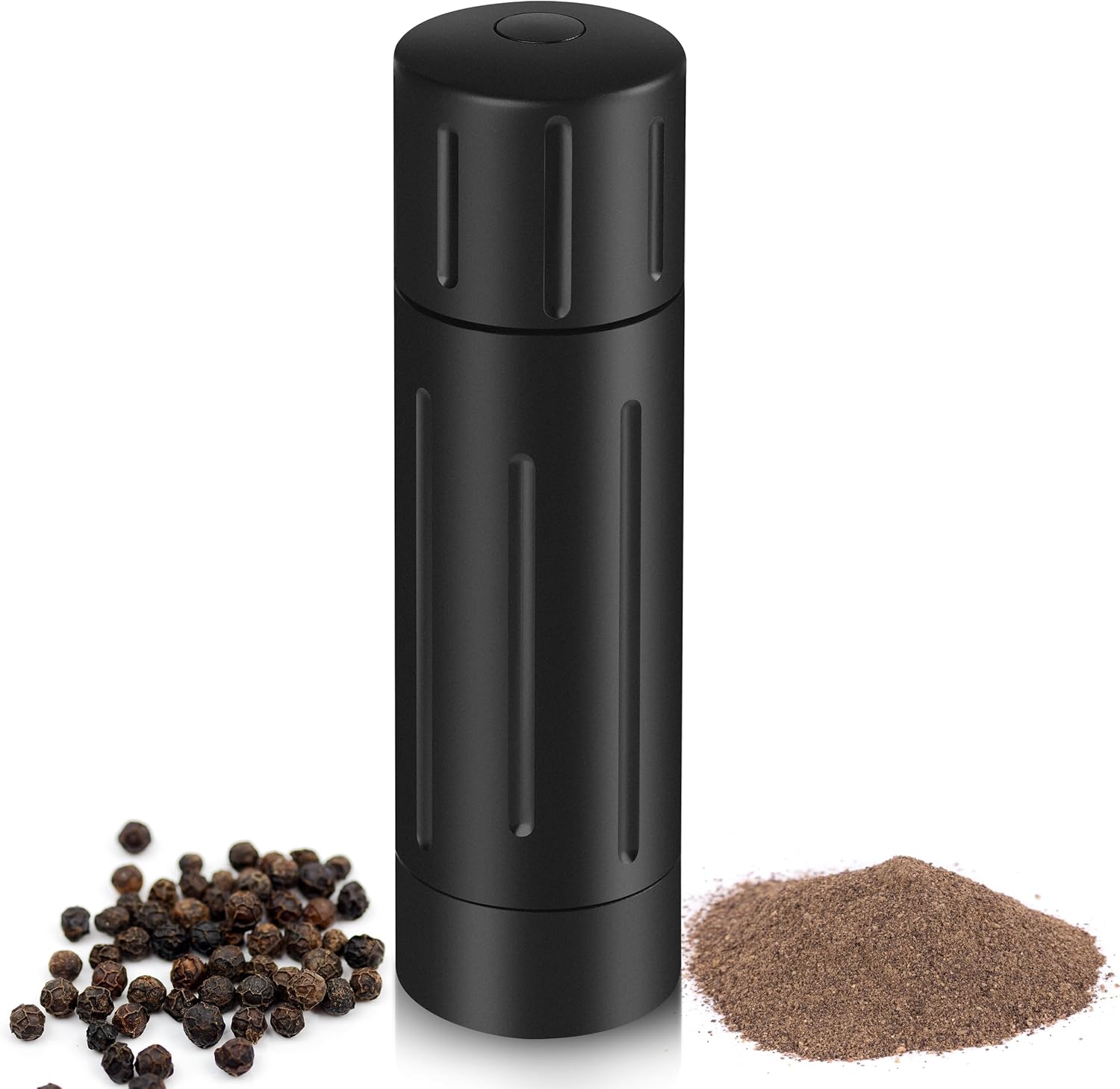
4. Seasoning at the last possible second. The least glamorous upgrade here and the one you notice on day one. Pepper’s aroma lives in volatile compounds that start leaving the moment it’s cracked, so pre-ground pepper is mostly heat with the interesting part already gone. An adjustable pepper mill that goes from fine dust to a coarse crack with a twist quietly improves everything it touches — and a flight of real condiments like the craft wing-sauce collection does the same job at the other end of the meal.
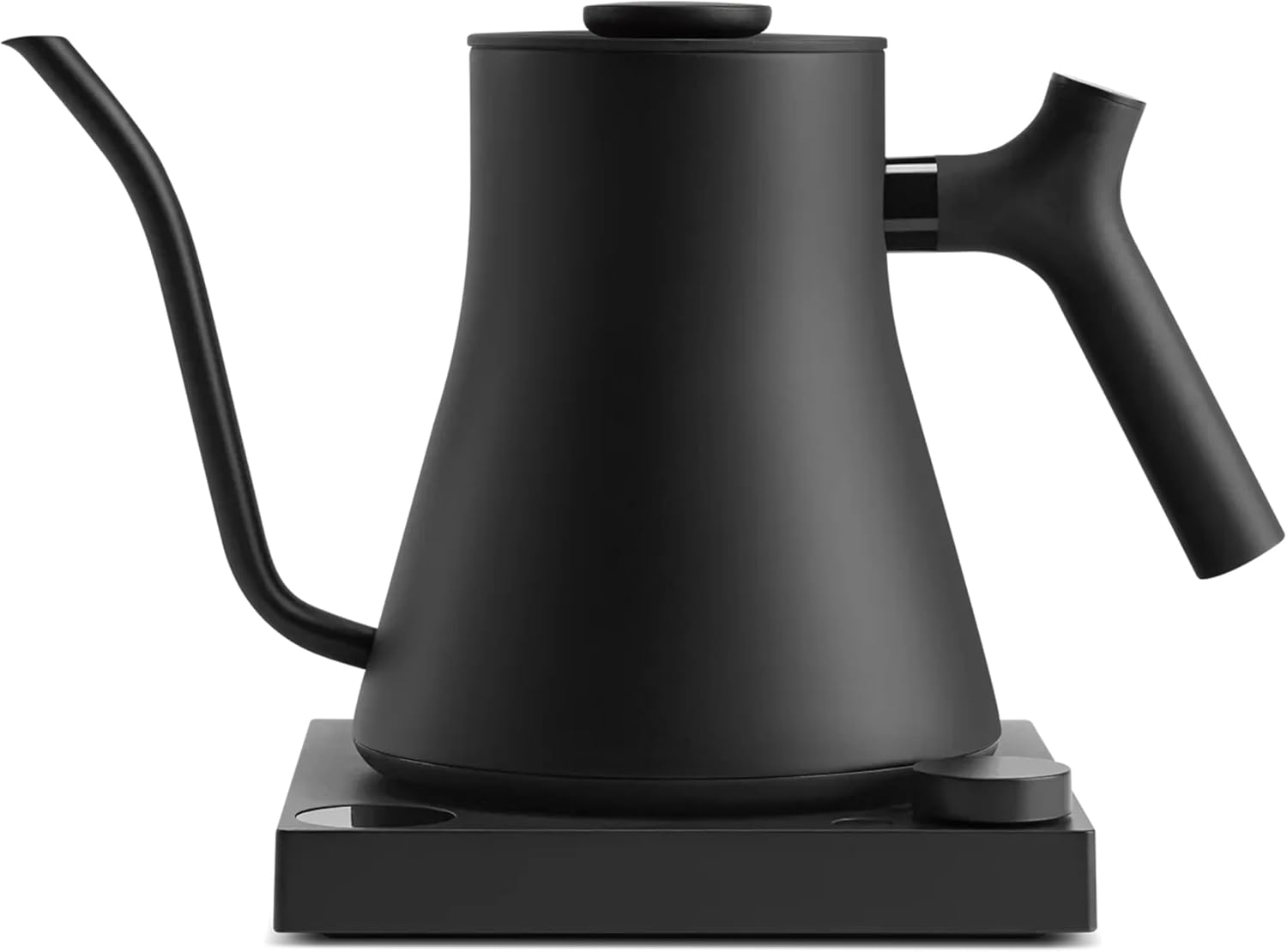
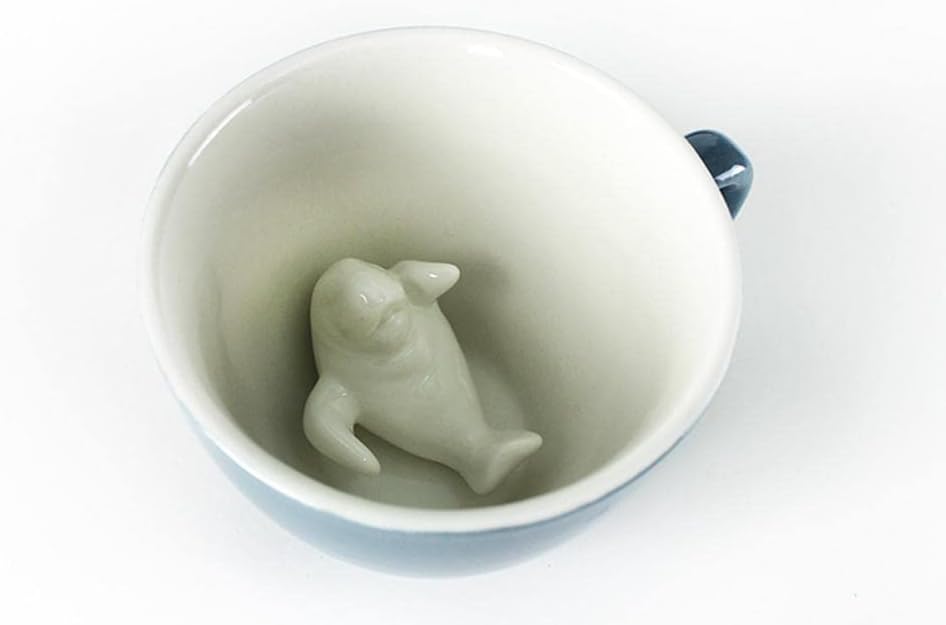
5. Water at the right temperature. Coffee and tea are the two things most kitchens make every day, and both are temperature problems. Brew water for coffee wants roughly 195–205°F; matcha wants water well under that, closer to 175°F, or it turns bitter. A Fellow Stagg EKG Pro lets you dial the number and holds it there, and the gooseneck means you steer the pour instead of dumping it. Around it: a ceramic matcha whisk set for the cooler end of that range, a rechargeable milk frother that puts café foam on a home cup in about fifteen seconds, a Wacaco Minipresso that pulls real espresso by hand with no pod and no outlet, and an Ember smart mug for the slow drinker who keeps reheating. If the cup is the part of the kitchen you care about most, the whole coffee-lover shelf runs this same filter, and the hidden-manatee mug is the one object on this page people end up buying twice, because the first one never comes back from the office.
The other half of the kitchen: what actually changes a drink
Ice first — it’s the ingredient nobody buys. A drink served over small, cloudy cubes is a drink on a timer: lots of surface area, fast melt, watery by the second half. A sphere has the least surface area of any shape for its volume, so it melts and dilutes more slowly than the same mass of cubes — which is the whole reason a hand-pressed ice ball maker is more than theatre. It happens to look like a cocktail bar, but it is doing real work.
Then the glass. Glassware is the cheapest way to change how a drink reads. A classic coupe is the right shape for anything served up — no ice, and a stem so your hand isn’t warming the bowl. Pure copper Moscow Mule mugs work for the opposite reason: copper moves heat faster than almost any metal you’d make a cup out of, so the mug frosts over and stays punishingly cold. And a crystal decanter and glasses set does for a mid-shelf bottle what a good plate does for dinner.
Flavor before hardware, always. The fastest upgrade to a home bar isn’t a tool, it’s syrup: it changes what the same bottle of gin can do. A set of HipStirs cocktail syrups — Sweet Heat, Lavender Haze, Blackberry Mint — costs less than any piece of glass here and changes more drinks, and each 8 oz bottle is good for about sixteen of them. Only after that does the theatre earn its place — a whiskey smoker kit is a genuine party trick, six wood flavors deep, and it is the pick people photograph. Buy it third, not first. If it’s the hosting side of the kitchen you’re building out, our barware and hosting shelf goes deeper on exactly that.
What we leave off the counter
No unitaskers, no forty-piece sets, and nothing whose main feature is that it’s unusual. The rule we apply to every candidate is the one at the top of this page: how often do you reach for it, and how much better is the result. A tool that fails either half doesn’t make the list no matter how good the photograph is. Everything here is real, in stock, and something we’d keep out on our own counter — the picks are ordered so the ones that change the most meals sit at the top.
On price we say what everyone else won’t: we don’t print numbers, because Amazon’s move and a stale figure is worse than none. What we will tell you is the shape of the page — twelve of the nineteen picks here land under $50, and only three climb past $100, so this is a shelf you can build one piece at a time rather than in one go. If you’re working to a fixed ceiling, the under $50 and under $100 guides run this same taste at a set budget. And if you’re here shopping for someone else rather than yourself, start with the gifts for the home cook shelf instead — same catalog, framed for giving, plus the housewarming and wedding shelves for a kitchen being outfitted from scratch.



 kitchen